
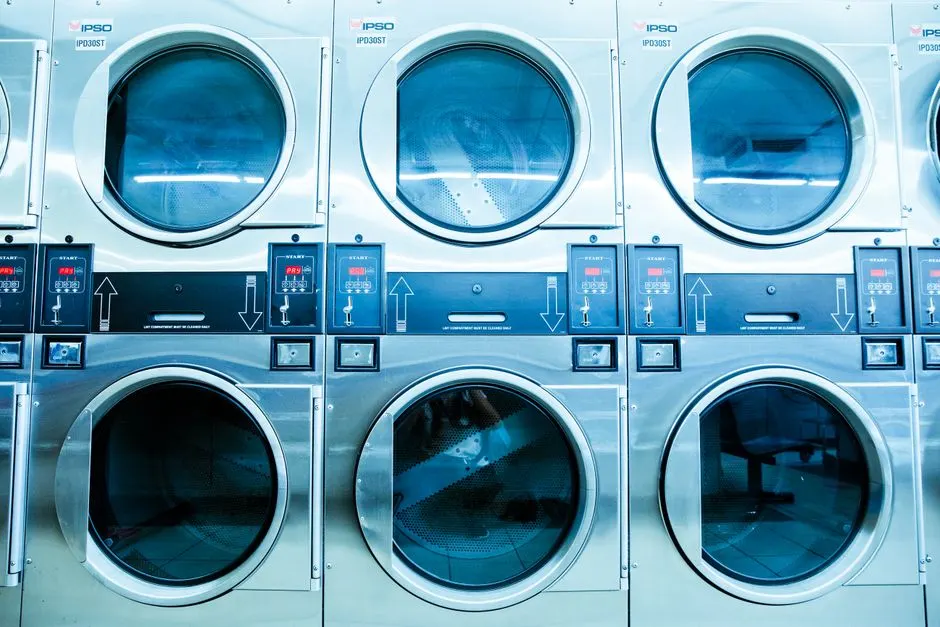
To clean a washer drain filter safely, unplug the washer, protect the floor with towels and a shallow pan, drain the remaining water slowly, then remove and rinse the filter before reinstalling it firmly. Work only on a cool, stable machine, and stop if the filter will not turn without force. This guide covers filter locations, controlled draining, cleaning, maintenance timing, and warning signs that call for a repair. If your washer is already leaving water in the drum, careful handling matters more than speed.
A washer drain filter is a serviceable debris trap that catches lint, coins, hairpins, and other objects before they reach the drain pump. On many front-load models, routine washing machine filter cleaning helps prevent slow draining and unpleasant odors. We help households across Florida with Washer Repair in Florida, including problems that begin with a blocked pump filter.
How to clean a washer drain filter safely at home
Cleaning a washer drain filter safely at home means isolating power, preparing for residual water, and following the model's access instructions before opening the filter. Give yourself 20 to 40 minutes for the first cleaning; the extra time lets you control the water instead of rushing through a spill.
Check the owner's manual first. Filter designs differ: some have a screw-out cap, while others use a small drain hose beside the cap. Do not remove a cabinet panel or reach behind the washer unless the manual directs you to do so.
- Turn the washer off and unplug it from the wall. If the plug is inaccessible, switch off the correct circuit breaker; never work on an energized washer.
- Let a hot wash finish cooling. Pull the machine forward only if you can do so without straining hoses or power cords.
- Lay down old towels and set a rimmed tray, baking pan, or shallow container below the access point. Keep a second container nearby.
- Open the small drain hose cap if your model has one, empty the water into the container, and recap it. Otherwise, turn the filter cap a little at a time and let water trickle out.
- Once the flow stops, remove the filter, clear debris, rinse it under lukewarm water, inspect the seal, and reinstall it as the manual specifies.
A few tablespoons of water can escape even after the drum appears empty, so keep the pan in place until the cap is fully back in. If the manual calls for a tool or a special procedure, follow it rather than improvising.
Where is the drain filter on a washing machine?
The drain filter on most front-load washing machines sits behind a small access door near the lower front corner, often within 6 to 12 inches of the floor. A top-load washer may have a different arrangement or no user-accessible pump filter at all, so check the model manual before looking for a cap.
On a front-load washer, look for a square or round flap along the bottom panel. Behind it, you may find a short emergency drain hose and a large threaded filter cap. The hose is useful because it lets you empty the pump housing gradually before removing the cap.
Do not assume every machine has the same setup. Some newer washers use a self-cleaning pump system, and other models require service access rather than homeowner cleaning. Our Front-Load Washer Repair in Florida work often includes diagnosing drain trouble on machines where the filter is not intended for routine user removal.
How to drain water before cleaning a washer filter
To drain water before cleaning a washer filter, use the emergency drain hose if the machine has one; otherwise loosen the filter cap slowly over a shallow pan. A tub holding even 1 quart (about 1 liter) can release enough water to reach flooring or seep under cabinets if you remove the cap all at once.
First, cancel the cycle and wait for the door lock to release. If the door stays locked because water remains inside, do not pry it open; use the drain procedure in your manual. Place a pan that is no more than 1 to 2 inches deep under the hose, then empty it repeatedly. A wide, low container fits beneath most washers better than a bucket.
If your machine has no drain hose, loosen the filter cap by a small fraction of a turn-about one-eighth to one-quarter turn-and pause. Let the water slow before turning again. Replace the cap temporarily if the pan fills, empty the pan, and continue. This patient method is how to clean a washer drain filter safely at home without flooding the floor.
Keep the washer level and avoid tilting it to force water out. Tilting can stress the supply hoses, drain hose, or cabinet, and it does not make a clogged pump safe to open.
Common mistakes that cause spills or damage
Common washer-filter cleaning mistakes include opening the cap too quickly, using pliers on a stuck filter, and restarting the machine before checking for leaks. Each one turns a small maintenance task into a preventable floor or pump problem.
Watch for these trouble spots:
- Skipping the power shutoff: Unplug the machine before touching the filter area, and keep wet hands away from the plug and outlet.
- Removing the cap in one motion: Residual water can pour out faster than a shallow pan can hold it.
- Using excessive force: A cross-threaded cap or damaged plastic housing can leak after reassembly.
- Forgetting the seal: Check that the filter's rubber O-ring is clean, seated, and not cracked or flattened.
- Running a cycle with the access door open: Close the flap and test the washer only after the filter is secure.
Coins, buttons, and small clips are common finds. Remove debris by hand or with a soft cloth; do not push a screwdriver deep into the pump opening, where it can damage the impeller or wiring.
How often should you clean a washer pump filter?
Clean a washer pump filter every 1 to 3 months if your manual supports routine access, and inspect it sooner when the washer drains slowly, shows a drain error, or leaves lint and debris behind. A household washing several loads each week should lean toward the shorter interval.
Frequency depends on what goes into the drum. Pet hair, fleece, work clothes, tissues left in pockets, and small children's socks can load a filter faster than ordinary laundry. Check the manual for your exact model's schedule; some manufacturers specify periodic cleaning, while others describe it as needed maintenance.
As part of washer pump filter maintenance, empty pockets, use a mesh bag for small items, and wipe the door gasket after laundry if moisture or lint collects there. In humid Florida laundry rooms, leaving the door ajar after a load can help the drum and gasket dry, but follow the washer manufacturer's safety guidance if children or pets can reach the opening.
Homeowners dealing with recurring drainage issues in the Miami area can arrange Washer Repair in Miami if routine cleaning does not restore normal draining. A repeated blockage can point to a damaged pump, an obstruction farther along the hose, or a filter that is not sealing correctly.
When to call a professional
Call a washer repair professional if the filter is stuck, the pump makes a grinding sound, water leaks after cleaning, or the washer still will not drain after the filter is clear. Those signs suggest the problem extends beyond routine cleaning, and continued cycling can strain the pump.
Do not force a filter that stops turning, especially if the cap is plastic or the machine is full of water. We can inspect the pump and drain path, remove a lodged object without damaging the housing, and test the washer through a drain cycle before we finish.
For Florida homeowners, an upfront repair price should be clear before work begins. If you are unsure whether a filter is designed for homeowner access, our Florida Washer Repair team can help identify the right next step and handle the repair when cleaning is not enough.
Frequently Asked Questions
How do I clean my washer drain filter without flooding the floor?
Use towels and a shallow pan, then drain water through the emergency hose in small batches; allow 10 to 20 minutes for controlled draining if the drum contains water. If there is no hose, loosen the filter cap about one-eighth turn at a time and pause between releases. Keep the pan in place until the filter is securely reinstalled.
Should I unplug a washing machine before cleaning its filter?
Yes, unplug the washer before cleaning its filter, or switch off its circuit breaker if you cannot safely reach the plug. Do this before opening the access panel, and keep the plug and outlet dry. Do not restart the machine until the filter is fully seated and the access door is closed.
How often should a washer pump filter be cleaned?
Clean an accessible washer pump filter every 1 to 3 months when the manufacturer recommends routine cleaning. Check it sooner if draining slows or a drain warning appears. If your model does not provide homeowner access, do not remove panels; follow the manual or arrange service.
What should I do if a washer drain filter is stuck?
Stop turning the filter if it resists after light hand pressure, and do not use pliers or heat. Unplug the washer, drain any standing water using the manual's procedure, and call for service if the cap remains stuck. Forcing it can crack the housing or damage the threads and create a leak.
Can every washing machine filter be cleaned at home?
No. Many front-load models have a user-accessible filter, but top-load and high-efficiency machines vary, and some designs do not have a routine-access cap. Check the model manual first. If access requires removing a cabinet panel or reaching electrical components, leave the job to a washer technician.
Get help with Washer Repair in Florida
A clean filter should leave your washer draining smoothly, not leave you with a puddle or a stuck cap. Call Florida Washer Repair at +18665940052 if the filter will not open, the washer still holds water, or you see a leak after cleaning.