Residential Washer Repair for Tampa Homes
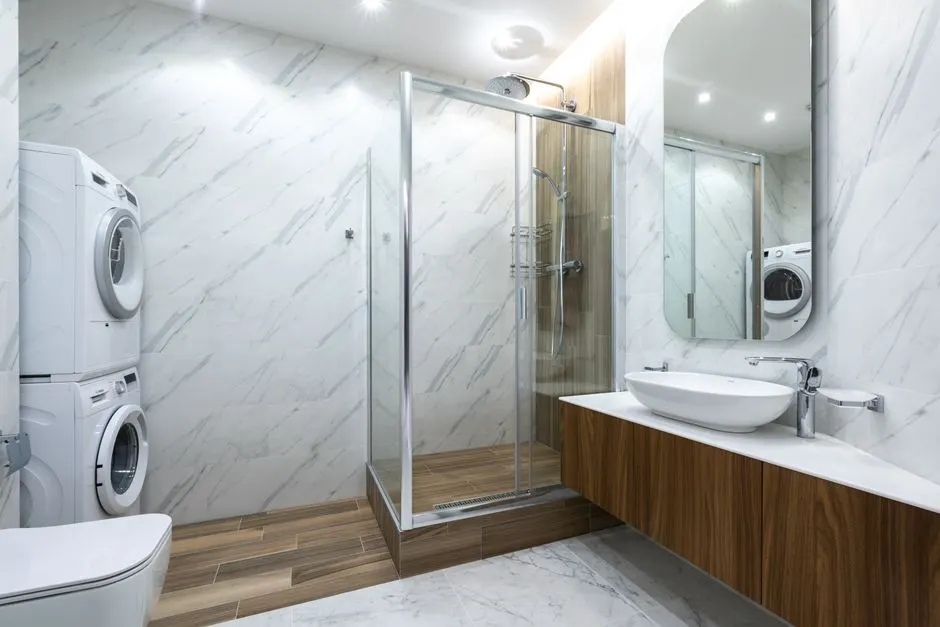
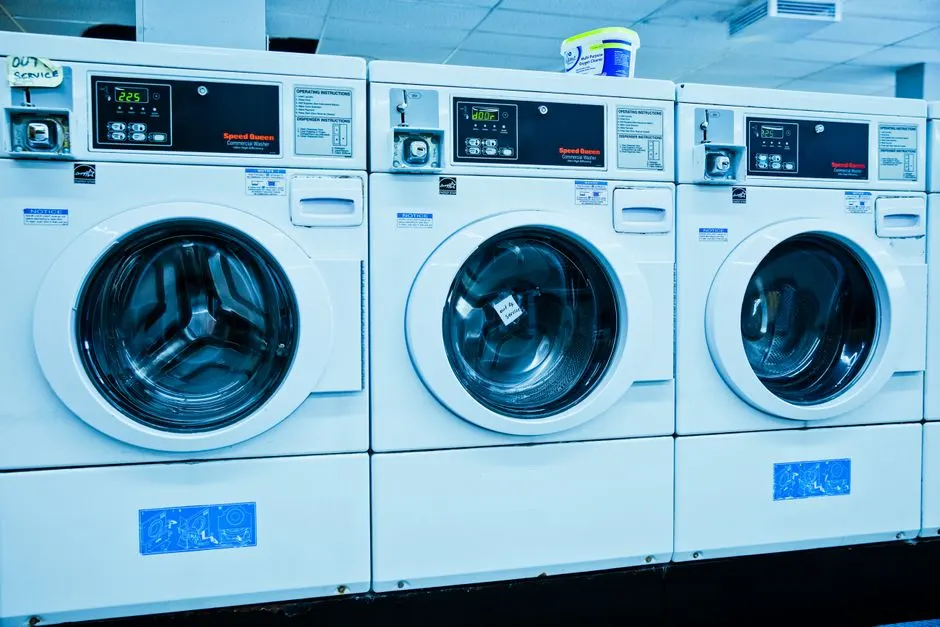
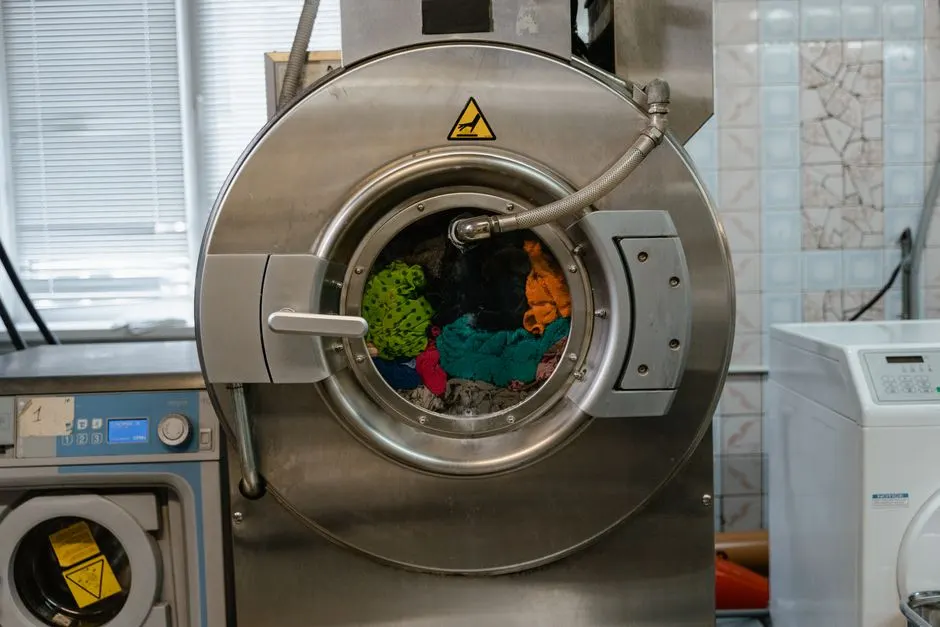
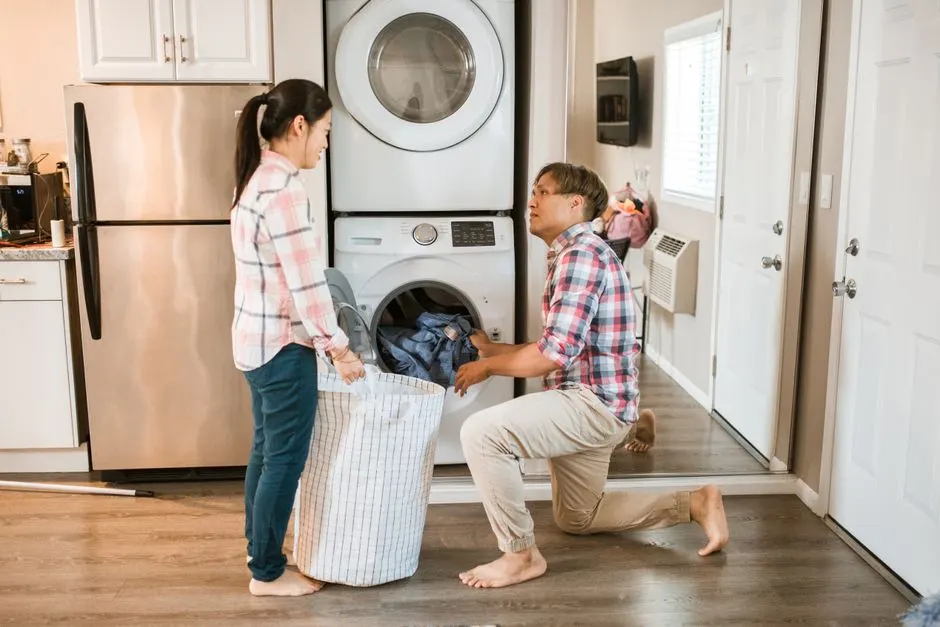
Tampa residential laundry spaces vary from utility rooms in single-family homes to stacked appliances in apartments and compact condo closets. That mix affects access, hose routing, and how we protect nearby floors during repair. Our Tampa washer repair technicians diagnose washer not draining, washer not spinning, leaks, vibration, and cycle errors across common household brands. We ask what the machine does, when the symptom starts, and whether water appears before or after spin. Then we test the likely cause and run the relevant function after repair. If your household has a full week of laundry waiting, that test matters as much as the part replacement: you want a washer that completes the cycle, not just a cleared error message.
- Leak tracing and hose checks — If water appears behind your washer in Tampa, we inspect supply connections, drain routing, and the appliance before running a controlled test. We identify where the water begins, correct the confirmed fault, and check the area again after operation. That prevents a small leak from being mistaken for a general washer failure.
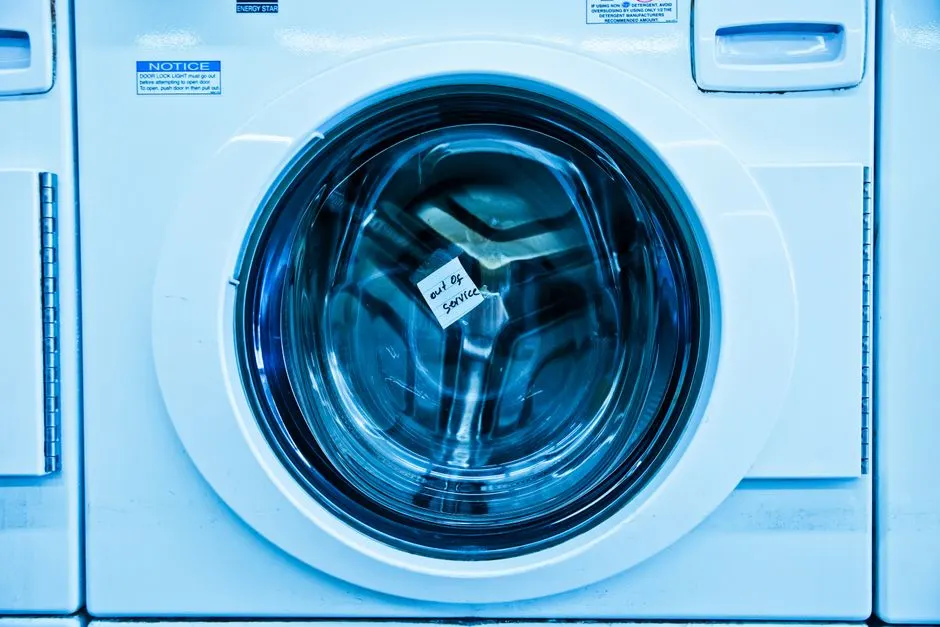
- Drain and spin diagnosis — A washer that leaves clothes soaked needs a drain and spin check, not repeated resets. We test the drain path, pump behavior, load balance, and relevant controls in your Tampa home. Once the fault is repaired, we run the cycle function that failed and confirm the drum empties and spins properly.
- Front-load odor inspection — For a front-loader with recurring odor, we check the door area, dispenser, and drainage for residue, trapped moisture, or seal damage. Tampa humidity can slow drying in a closed laundry closet. We explain the cause, repair any failed component, and share practical steps for drying the washer between loads.
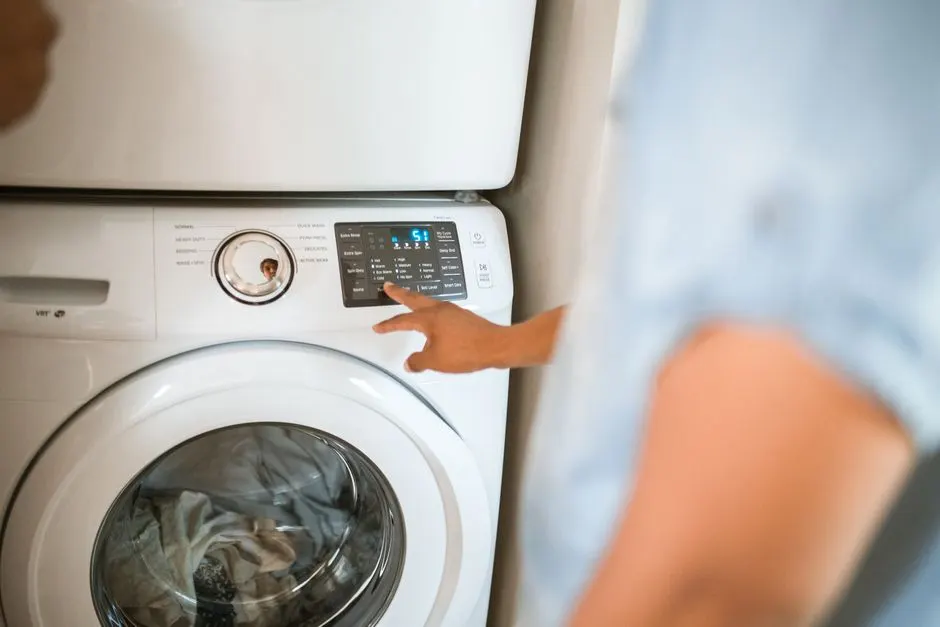
- Safe washer installation checks — When installing a replacement washer in Tampa, we check that the appliance fits the opening, sits level, and has clear supply and drain connections. We run a fill-and-drain test and inspect for leaks before finishing. For stacked equipment, we plan movement and access before handling the units.