Logo
Get Estimate

Washer Maintenance in Florida for Cleaner Cycles

Protect your washer from wear, leaks, and odors


Washer Maintenance in Florida keeps home laundry equipment clean, checked, and ready for regular use. We help homeowners and property managers address buildup, vibration, drainage concerns, and early wear before a small issue interrupts laundry day. Our washing machine servicing in Florida is tailored to the washer type, household use, and conditions around the appliance, with practical findings and clear next steps.

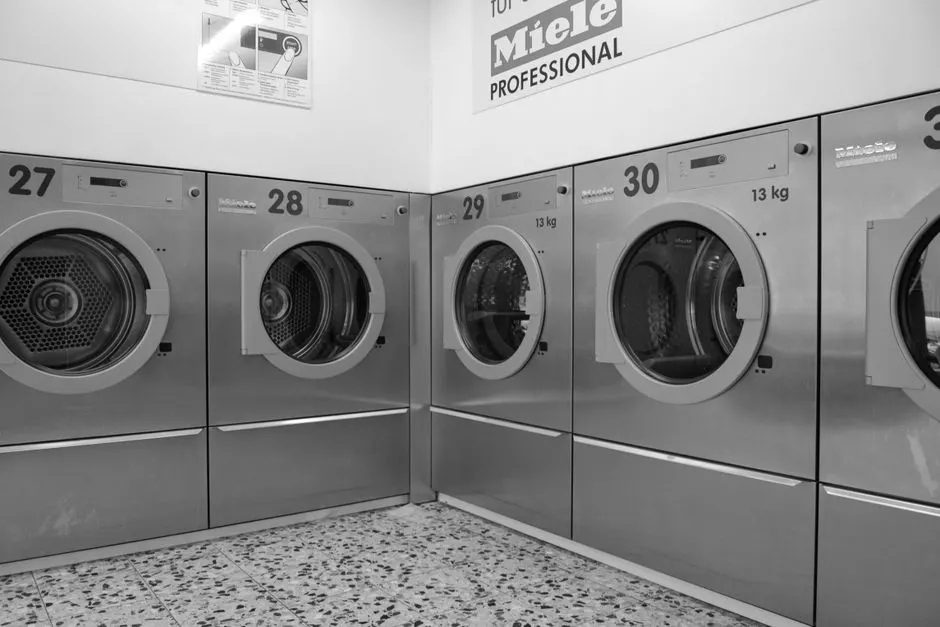
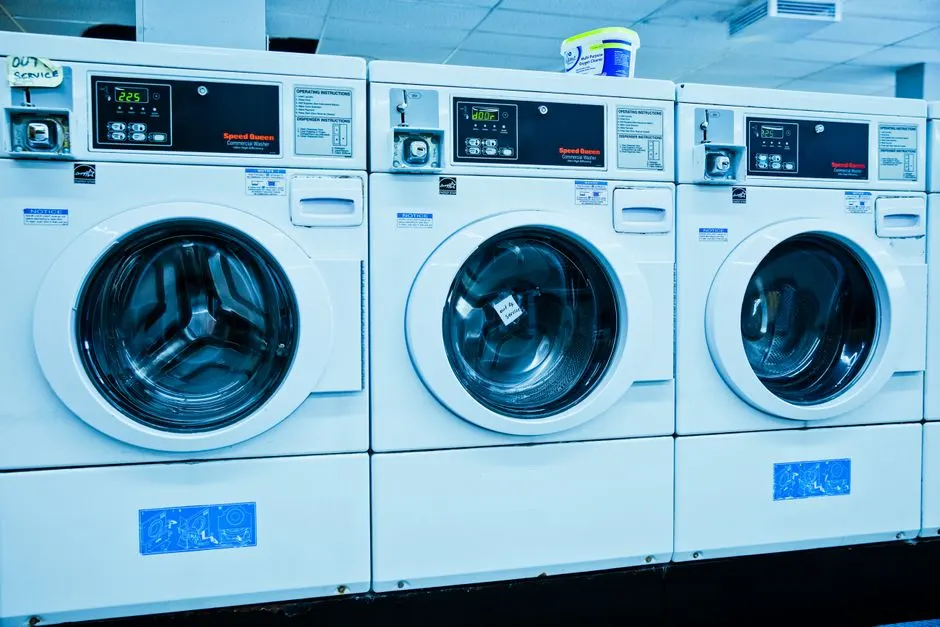
A sleek row of industrial washing machines in a modern laundromat, conveying efficiency and cleanliness.
Licensed Licensed & Bonded
Fully Insured Insured & Bonded
24/7 Emergency Same-Day Response
Warranty Backed Workmanship Guaranteed

What Washer Maintenance Includes

A standard maintenance visit covers an inspection, appropriate operational checks, basic cleaning guidance, and a review of visible hose, seal, and drainage concerns. We tailor the work to the washer and its reported symptoms. Replacement parts, extensive disassembly, and repairs for confirmed failures are separate work; we explain those findings and their cost before proceeding.

Hose and Connection Check

We inspect accessible washer inlet hoses and the drain hose for visible wear, kinks, poor positioning, or moisture. We also look around the connection points for signs of a past or active leak. If a hose needs replacement, we explain why and price that work separately.
Seal and Residue Review

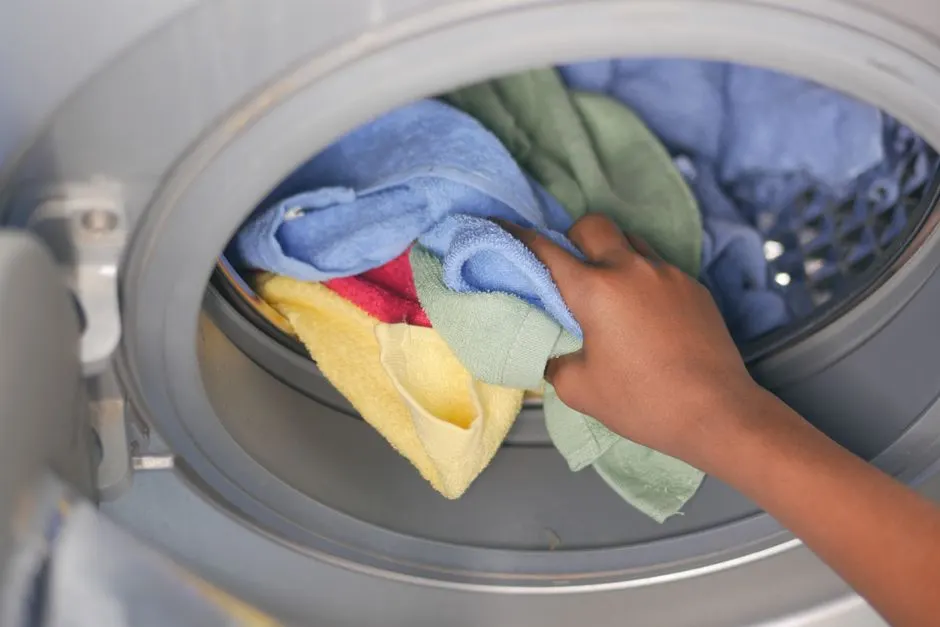
We check accessible door seals, detergent drawers, and areas where moisture or residue can collect. You receive cleaning guidance suited to your washer style and detergent use. Deep disassembly or replacement of a damaged door boot seal is not routine cleaning and requires separate repair work.

Cycle and Drain Testing

We observe relevant washer functions, including filling, draining, and spinning when the reported concern and safe operation allow. If the washer is not draining, testing helps distinguish a maintenance concern from a drain pump failure. We share the result in plain terms.

Vibration and Level Review

We check whether the washer sits securely and look for signs of excessive movement during an appropriate test. You will get practical advice about load balance and positioning. If testing points to damaged suspension rods or shock absorbers, we identify the repair separately rather than presenting it as a simple adjustment.

Washer Maintenance in Florida: What We Check


Washer Maintenance in Florida is preventive appliance care that inspects, cleans, and tests a washing machine to reduce avoidable wear and catch developing faults. We check washer inlet hoses, drain flow, door boot seals, cycle operation, and visible signs of vibration or leakage. Where symptoms point to an electrical or mechanical concern, our technicians use diagnostic tools and explain what the washer needs. A maintenance visit is not a substitute for a repair when a part has failed; it helps identify that distinction before repeated cycles worsen the damage.

Warm, humid conditions and frequent laundry loads can leave detergent residue and moisture around a washer, encouraging mold and mildew odors. Homes near the coast also contend with salty air, while inland properties can see different water conditions and seasonal temperature swings. Our Florida washer maintenance approach accounts for the appliance location and household routine. For routine washer maintenance for Florida homes, we inspect the machine, run appropriate tests, and give you practical cleaning and loading guidance.

What Happens During a Visit

Our washer maintenance visit follows a practical sequence, from hearing your concerns to testing the appliance. Most routine appointments take about 60 to 90 minutes, depending on access, washer type, and whether testing reveals a repair issue.

01

Schedule

Call or book online — a real human picks up and confirms a 2-hour arrival window.

02

Diagnose

Licensed tech inspects on-site, then walks you through the cause and your options.

03

Fix

The job is completed to code and done right the first time — no shortcuts, no surprises.

04

Guarantee

Every job backed by a written workmanship warranty — and we stand behind it.

Tools and Testing Methods

Tools & Equipment

Washer diagnostic scan tool

We use a compatible scan tool to read stored error codes and support model-specific diagnosis. A code is a clue, not a complete diagnosis, so we compare it with the washer's observed behavior.

Multimeter

A multimeter checks electrical values when a symptom points to a circuit, sensor, or component concern. We use it only as part of safe troubleshooting and interpret readings alongside the machine's test results.

Clamp meter

A clamp meter can measure current draw without disconnecting a conductor, helping assess an electrical load when appropriate. It supports diagnosis; it does not replace a functional test or manufacturer service information.

Nut drivers and screwdrivers

These hand tools provide controlled access to service panels and fasteners during permitted inspection or repair. Using the correct size helps reduce stripped hardware and avoid unnecessary damage to the appliance.

Appliance dolly

When a washer must be moved and the setting permits safe handling, an appliance dolly helps control its movement. We consider the unit's weight, installation, and surrounding surfaces before relocating it.

Methods & Standards

Symptom-led diagnostic sequence

We begin with your reported symptom, reproduce it when safe, and test the functions most closely related to it. A slow drain prompts a drain-path check; a spin complaint calls for observation of load balance and movement. This sequence keeps conclusions tied to evidence rather than replacing parts based on a guess.

Model-specific service information

Washers differ by model, control system, and construction. We use available manufacturer service information to interpret error codes and select appropriate checks. That matters when the same symptom, such as a stopped cycle, can come from a door lock issue, drainage fault, or control condition.

Safe isolation and test operation

Before accessing electrical or mechanical areas, we follow safe work practices suited to the task and appliance. We restore the washer for an appropriate functional test after maintenance or repair. Where a test could worsen an active leak or unsafe fault, we stop and explain the safer corrective step.

When to Schedule Washer Care

01

Your washer has started smelling musty after several loads, even though the drum looks clean.

What we do: We inspect areas where detergent residue and trapped moisture commonly collect, including accessible seals and dispensers. We check whether drainage is completing as expected and show you how to dry the machine between cycles. If the smell points to a mechanical or drainage fault, we explain what testing found and recommend the appropriate repair.

→ You leave with a targeted cleaning routine and a clear answer on whether the odor is ordinary buildup or a symptom that needs repair.

02

You are preparing a rental property or a busy household washer for a season of frequent laundry.

What we do: We check accessible hoses, connections, cycle operation, and visible signs of vibration before the heavier use begins. We note concerns that could interrupt laundry and explain which items are maintenance and which need repair. A preventive washer tune-up in Florida is particularly useful before guest turnover or a household schedule becomes busier.

→ You have a checked appliance, practical use guidance, and a chance to address developing issues before they disrupt a full laundry schedule.

03

The spin cycle has become louder, or the washer moves more than it did last month.

What we do: We observe a suitable test cycle, check the washer's position, and consider whether load balance explains the change. If movement remains excessive, we investigate further for wear in suspension or other components. We tell you whether a leveling correction is enough or a repair is the safer solution.

→ You understand what is causing the noise and get a specific plan to reduce movement instead of continuing to run repeated unbalanced loads.

04

A washer sits in a tight closet or stacked laundry space and has become difficult to inspect.

What we do: We assess access before testing and check the visible connections and operating symptoms without guessing about hidden parts. Where safe movement or disassembly is needed, we explain the extra work and protect the surrounding area. Our appliance dolly helps manage appropriate appliance movement when access and conditions allow.

→ You get a focused inspection that accounts for the installation layout, with findings that distinguish an access issue from an actual washer fault.

How Washer Maintenance Works Across Florida

Florida's climate changes what we look for around a washer. Humid air can slow drying in enclosed laundry closets, leaving moisture around seals and encouraging mold and mildew odors. Coastal homes may have more exposure to salty air around utility areas, while inland households can face seasonal temperature swings and different water conditions. Those conditions do not change the washer's basic service needs, but they shape our inspection priorities. Our washing machine servicing in Florida starts with the appliance's location, installation, and use. In a condo or apartment, access may be limited by a stacked unit or tight closet; in a single-family home, a utility room may make hose inspection easier. We account for the machine's configuration and test the symptom safely. For Florida washer maintenance before rainy season, checking accessible hoses and drainage is sensible, particularly where laundry areas sit near exterior walls or storage spaces. We do not assume a leak is weather-related; we trace it to the washer or its connections and explain what we find.

Neighborhoods We Serve

  • Kendale Lakes

    Compact laundry closets and stacked arrangements can restrict access. We account for the installation layout before choosing which connections and functions to inspect.

  • Clearwater

    Coastal moisture makes seal drying and visible hose condition useful points to review. We check the washer itself rather than attributing every odor or drip to the climate.

  • Winter Park

    A washer in a busy household may run several loads in a day. We ask about cycle frequency and look for residue, vibration, or drainage changes linked to that use.

  • Pensacola

    Laundry rooms may be enclosed or close to storage areas, so we consider ventilation and access while checking for moisture around the appliance.

Local Conditions We Plan For

  • High humidity keeps moisture around seals and enclosed laundry spaces

    A damp seal or detergent drawer can develop an odor between loads. We inspect accessible areas, check for drainage symptoms, and show you a drying routine that fits your washer and household use.

  • Coastal air and frequent household cycles add wear exposure

    Visible corrosion or deteriorating hose surfaces deserve closer attention, but appearance alone does not confirm a failure. We inspect accessible connections and recommend replacement only when the condition or test result supports it.

  • Seasonal rain increases attention to laundry-room moisture

    A damp floor can come from several sources, so we trace moisture around the washer, inlet connections, and drain setup. If the water is unrelated to the appliance, we explain that distinction rather than mislabeling it as a washer leak.

Musty Front-Load Washer

Before

A homeowner noticed towels picking up a sour smell, even after running a cleaning cycle. Moisture remained around the door area, and detergent residue was visible in the dispenser. The washer still completed its cycles, so the household wanted to know whether the odor signaled a failed part or a cleaning problem.

After

We inspected the accessible door seal and dispenser, checked drainage behavior, and found no active mechanical fault during testing. The homeowner received model-appropriate cleaning steps and a reminder to dry the seal after use. The odor improved over the next several loads without an unnecessary part replacement.

Maintenance: Wipe the seal after laundry, leave the door ajar when safe, and use the detergent amount specified for the washer. If the smell returns alongside standing water or a slow drain, schedule diagnostic testing.

Before

A top-load washer began thumping during spin and shifting slightly on the laundry-room floor. The household had recently washed several bulky items together, but the noise continued on smaller loads. They wanted to know whether the machine needed repair before the movement loosened a connection.

After

We observed a test cycle, checked the washer's position, and reviewed load balance. Correcting the load pattern reduced the movement, and the test did not show a clear component failure. The customer received guidance on separating bulky items and monitoring the washer for any return of the symptom.

Maintenance: Avoid combining several heavy items in one load and keep the washer level. If banging persists with balanced loads, stop repeated high-speed cycles and arrange an inspection for suspension or other mechanical wear.

Before

A property manager noticed a faint damp mark near the back of a washer but could not see an active drip during the day. The appliance continued to run, and the concern was whether the moisture came from a hose connection or an unrelated spill in the laundry area.

After

We checked accessible inlet and drain connections and found visible deterioration on an inlet hose. The manager received a clear explanation and price for replacing the affected hose before resuming regular use. A follow-up check confirmed the connection remained dry during the appropriate test.

Maintenance: Look at accessible hoses periodically for cracking, bulging, or moisture. Replace a hose showing damage rather than waiting for a leak, and avoid pulling the washer forward unless it can be moved safely.

Prevent Problems With Routine Washer Care

A washer often gives clues before it stops working: a new odor, a longer drain, a louder spin, or a small patch of water. We investigate those changes while the appliance can still be tested, so you can decide whether cleaning, adjustment, or repair is the right next step.

Problem

Washer develops a sour odor after repeated humid-weather laundry cycles

Moisture and detergent residue can linger around the drum and seal, transferring odors to clean laundry and making each load unpleasant.

Our Fix

We inspect accessible seal and dispenser areas, look for residue, and explain a cleaning routine suited to your model. For a front-loader, we show you where moisture collects and how to dry the seal after use. If the odor comes from a drainage fault rather than buildup, we test the relevant function and explain the repair needed.

Problem

Small leak appears near the inlet hose or behind the washer

Even a slow drip can damage flooring or cabinetry over time, and a larger hose failure can release water while the appliance is unattended.

Our Fix

We inspect accessible washer inlet hoses, connection points, and the drain hose for visible wear or moisture. We do not keep running a machine with an active leak; we isolate the concern and explain whether a connection adjustment or hose replacement is needed. You get a practical next step before the leak spreads.

Problem

Washer shakes hard or makes a new thumping sound during spin

Repeated excessive movement can strain components, loosen connections, and disturb nearby items, while an unbalanced load can leave clothes wetter than expected.

Our Fix

We observe the washer's movement, review leveling and load habits, and check for signs that point beyond a simple balance issue. If a failed shock absorber or suspension component is suspected, we test further and explain the repair rather than masking the symptom with a quick adjustment.

Problem

Drain time increases and water remains in the drum after a cycle

Standing water delays laundry, can contribute to odors, and may signal a developing obstruction or drain pump problem that needs attention.

Our Fix

We check the drain setup and test the washer's draining behavior. A washer diagnostic scan tool can help identify stored codes on compatible models, while direct testing helps confirm whether a drain pump failure is present. We explain what maintenance can address and what requires a repair.

Fewer Interruptions, Better Laundry

Fewer Interruptions, Better Laundry

Regular care helps you catch small changes before they become an inconvenient leak or a washer that stops mid-cycle. We focus on useful checks and clear findings, not a generic checklist that ignores how you use your machine.

  • Catch Wear Earlier

    A slow drain, loose hose connection, or rising vibration can be easier to address before it damages flooring or strains other parts. During Florida washing machine care, we check the washer's visible connections and operating behavior, then show you what needs attention. You get a clear distinction between normal wear, a maintenance issue, and a repair concern.

  • Reduce Odors and Residue

    Detergent buildup and trapped moisture can leave a sour smell in the drum or around the door seal. We inspect those areas and explain an appropriate cleaning routine for your model and detergent use. For front-load machines, keeping the door boot seal clean and dry after cycles helps limit persistent odors.

  • Protect Floors and Hoses

    A cracked or bulging washer inlet hose deserves attention before it releases water behind the machine. We look for visible hose deterioration, check accessible connections, and review the drain hose position. If replacement is needed, we explain the work and its cost before proceeding, helping you avoid a surprise during the visit.

  • Keep Cycles Predictable

    Unbalanced loads, leveling problems, or developing suspension wear can cause banging and excessive movement. Our preventive washer service in Florida includes observing a test cycle when appropriate and checking whether the washer sits securely. You receive practical loading and leveling advice that can reduce repeat shaking and keep laundry routines on track.

Training and Service Standards

Licensed & Certified

  • National Appliance Service Technician Certification — issued by National Appliance Service Technician Certification organization
  • EPA Section 608 certification for applicable refrigerant handling — issued by U.S. Environmental Protection Agency
  • OSHA safety training — issued by Occupational Safety and Health Administration training providers
  • Manufacturer-authorized appliance service training — issued by Applicable appliance manufacturers

Verified Reviews

Customer feedback Not published

A homeowner in Clearwater said the technician found detergent residue and moisture around a front-load seal, then explained a simple drying routine. The visit also included a drainage check, which helped rule out a pump problem before any parts were recommended.

Customer feedback Not published

A customer in Pensacola reported a washer that shook during spin. The technician observed the cycle, checked how the load was distributed, and explained what to watch for if the movement returned. The customer valued getting a direct answer instead of an automatic repair recommendation.

Customer feedback Not published

A property manager in Boynton Beach described a damp area near a washer connection. The team inspected accessible hoses, identified visible wear, and explained the next step before additional work. The manager said the practical explanation made it easier to plan the repair.

Practical Washer Knowledge

Our technicians work across common residential washer designs, including front-load, top-load, high-efficiency, and stackable units. We use manufacturer service information, model-specific diagnostic procedures, and safe isolation practices rather than guessing from a symptom alone. Training can include manufacturer-authorized appliance service training and National Appliance Service Technician Certification. We also follow applicable OSHA safety training practices and UL appliance safety standards when assessing equipment. For models that contain refrigerants in applicable laundry appliances, EPA Section 608 certification applies to technicians handling those refrigerants.

  • We check cycle symptoms against the washer's model information and error codes before recommending a component replacement.
  • Our team distinguishes cleaning and adjustment needs from a confirmed drain pump, water inlet valve, or electrical failure.
  • We service household equipment from brands including Whirlpool, Maytag, LG, Samsung, and GE Appliances.
  • Technicians use safe handling practices around water, powered equipment, and heavy appliances that require controlled movement.
  • We follow Florida contractor licensing requirements where applicable and explain when a separate regulated trade is needed.
Get Started Today
Practical Washer Knowledge

Cities We Serve Across Florida

Our technicians cover communities across Florida, from the Panhandle to the central and southern regions. We plan washer maintenance around the appliance, its access, and the symptoms you report rather than using one checklist for every home. For Florida washing machine care, we check practical concerns such as humidity-related odor, hose condition, drainage, and vibration. Tell us your city and washer type when booking so we can understand the setup before the visit.

Pensacola

In Pensacola, we check accessible hoses, drainage, and moisture around enclosed laundry spaces, then tailor maintenance guidance to your washer and household cycle routine.

Spring Hill

Our Spring Hill visits include symptom-led checks for odors, leaks, or spin vibration, with practical attention to washer access and visible connection condition.

Clearwater

For Clearwater homes, we review seal moisture, detergent residue, and hose condition while testing the washer function connected to your reported concern.

Alafaya

In Alafaya, we help busy households check cycle performance, drainage, and movement before frequent laundry use turns a small symptom into a disruption.

Boynton Beach

Boynton Beach maintenance visits include checks for visible hose wear, damp connections, and odors that can linger in enclosed laundry areas.

Delray Beach

We inspect the washer's reported symptoms in Delray Beach, including slow draining or new vibration, and explain whether maintenance or a repair is appropriate.

Palm Beach Gardens

In Palm Beach Gardens, we adapt checks to front-load, top-load, and stacked washers, focusing on accessible connections, seals, and cycle behavior.

Kendale Lakes

Kendale Lakes homes with tight laundry closets benefit from an access-aware inspection. We check visible hoses and seals and test relevant washer functions safely.

Clermont

For Clermont households, we check washer balance, drainage, and common residue concerns, then give guidance based on how often your machine runs.

Meadow Woods

Our Meadow Woods visits address the specific symptom, from a musty seal to a slow drain, and include a review of accessible washer connections.

Navarre

In Navarre, we inspect visible hose condition and washer operation, keeping the assessment focused on the appliance rather than assuming a climate-related cause.

Kendall West

Kendall West customers receive checks suited to their washer layout, including drainage, seals, and vibration when those symptoms are reported.

Apollo Beach

For Apollo Beach homes, we look for visible connection wear and moisture around the washer, then test the function linked to your concern.

Winter Park

In Winter Park, we help households address frequent-use residue, spin movement, and drainage changes with checks tailored to the washer model.

Crestview

Crestview maintenance visits include a practical review of cycle behavior, accessible hoses, and seals, followed by clear guidance for ongoing washer care.

Frequently Asked Questions

Real answers to the questions we hear most often from local homeowners and property managers.

How often should I schedule washer maintenance in Florida?
Schedule washer maintenance once every 12 months, or sooner if you notice odors, leaks, vibration, or slower draining. Heavy household use, a washer in a humid laundry closet, or repeated large loads can make an annual check especially useful. Between visits, wipe the door seal, leave the door open to dry when safe, and use the detergent amount recommended for your model. A symptom that appears suddenly deserves prompt assessment rather than waiting for the next routine visit.
How much does washing machine servicing cost in Florida?
Routine washing machine servicing in Florida usually costs $120 to $250 for inspection, testing, and basic maintenance, with repairs priced separately. The total depends on access, washer configuration, diagnostic time, and whether a failed part needs replacement. Stacked units can take longer to reach, and a confirmed pump or valve failure adds parts and labor. We explain the charge before repair work begins, so you can choose the next step with a clear understanding of the cost.
What does a Florida washer tune-up include?
A Florida washer tune-up includes a visual inspection, checks of accessible hoses and seals, operational testing, and review of drainage, vibration, and error codes. We also look for detergent residue and explain cleaning steps suited to your machine. A tune-up does not automatically include replacement parts; if testing identifies a failed pump, valve, or lock, we describe that repair separately and discuss its price before proceeding.
Can routine maintenance help prevent washer leaks?
Yes, a maintenance check can catch visible hose wear or loose accessible connections before they develop into a larger leak, but it cannot guarantee every seal will last. We inspect washer inlet hoses, the drain hose, and signs of moisture around the appliance. Replace a hose that is bulging, cracked, or leaking; do not keep running a washer that is actively releasing water. Prompt diagnosis helps limit damage to cabinets and flooring.

Related Washer Services

Washer Repair

When maintenance checks uncover a failed component, our washer repair service addresses the confirmed fault. We diagnose symptoms such as a washer not spinning or a persistent leak, explain the repair, and test the machine after work so you know whether normal operation has returned.

View Washer Repair

Front-Load Washer Repair

Front-load washers need careful attention to door locks, seals, drainage, and moisture buildup. If maintenance reveals a damaged door boot seal or a door lock failure, our front-load repair service targets the specific problem and checks cycle operation after the repair.

View Front-Load Washer Repair

Top-Load Washer Repair

A top-load washer that will not drain, spin, or balance properly needs diagnosis beyond routine cleaning. We inspect the reported symptom and test relevant functions. Maintenance can identify early changes; repair service is the next step when testing confirms a failed part.

View Top-Load Washer Repair

High-Efficiency Washer Repair

High-efficiency machines use specific detergent amounts and cycle controls, so residue or an error code can have more than one cause. Our repair service follows model-specific diagnostic steps when a maintenance visit finds a persistent fault, then verifies the affected function.

View High-Efficiency Washer Repair

Stackable Washer Repair

Stacked laundry units can be harder to access, especially in closets or compact utility rooms. If maintenance identifies a leak, vibration, or drainage issue, our stackable repair service accounts for the installation layout and checks the washer safely without treating access limits as a diagnosis.

View Stackable Washer Repair

Washer-Dryer Combo Repair

A washer-dryer combo combines wash and dry functions in one appliance, making cycle symptoms important to separate. We inspect the washer-side concerns during maintenance and recommend combo repair when testing indicates a component fault, drainage issue, or control problem that needs corrective work.

View Washer-Dryer Combo Repair

Book Washer Maintenance in Florida

Stop a developing washer issue from disrupting laundry day. Our technicians check the reported symptom, explain what they find, and provide clear pricing before repair work. Call +18665940052 to schedule service.

Call Now Schedule Service

Contact Florida Washer Repair

Tell us what your washer is doing and where you are located, and we will help arrange the right service call. Call +18665940052 during our posted service hours, Monday through Friday, 8:00 a.m. to 6:00 p.m.; our team will respond during business hours and coordinate service across Florida.

Or call us right now at +18665940052 — we answer.

Florida Washer Repair


  • Phone

    +18665940052
  • Address

    Florida

  • Hours

    Mon–Fri: 7AM – 7PM
    Sat: 8AM – 4PM
    Sun: Emergency Only
    24/7 Emergency Available

Call +18665940052 Get Quote
Call Quote