
Residential Washer Repair for Trinity Homes
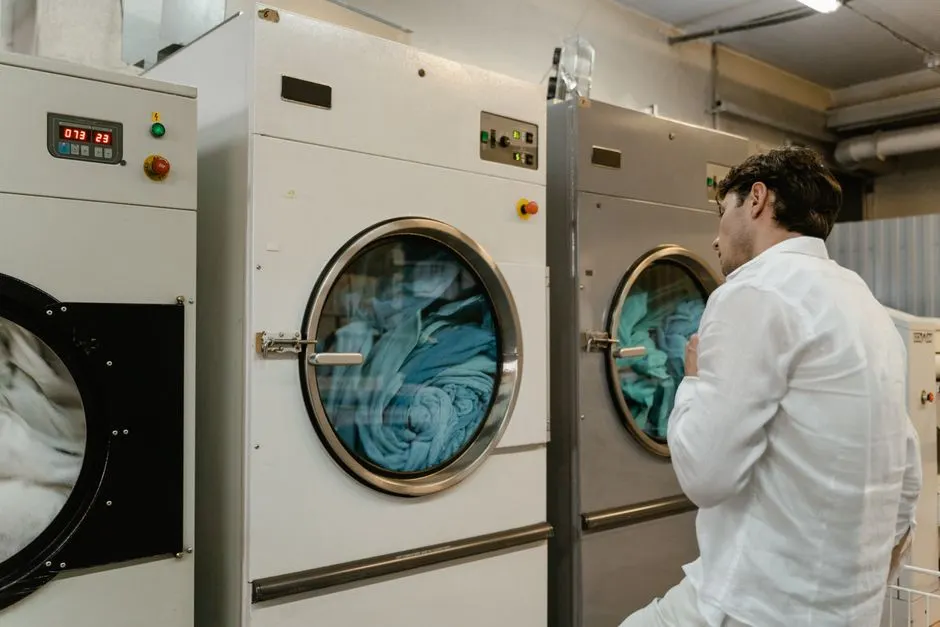
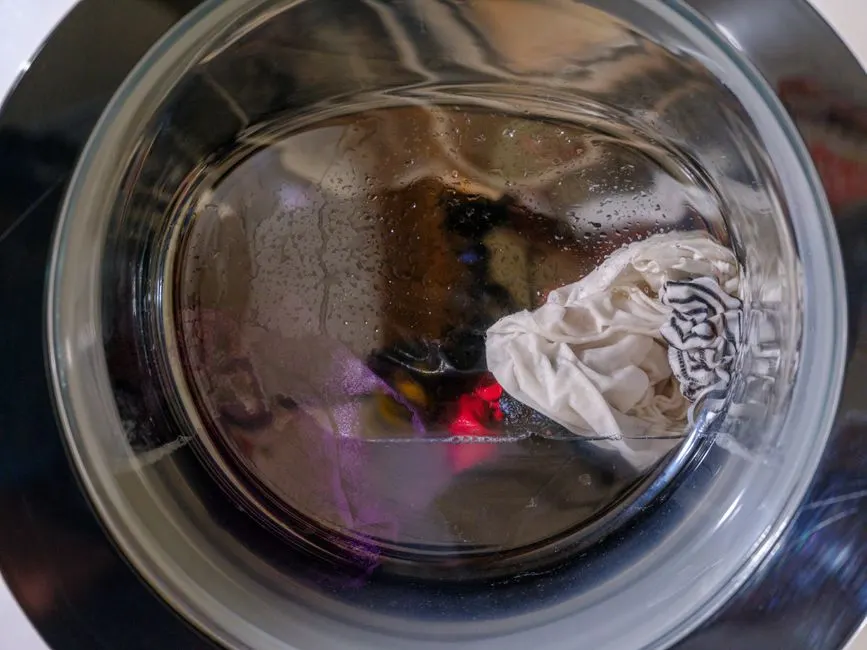
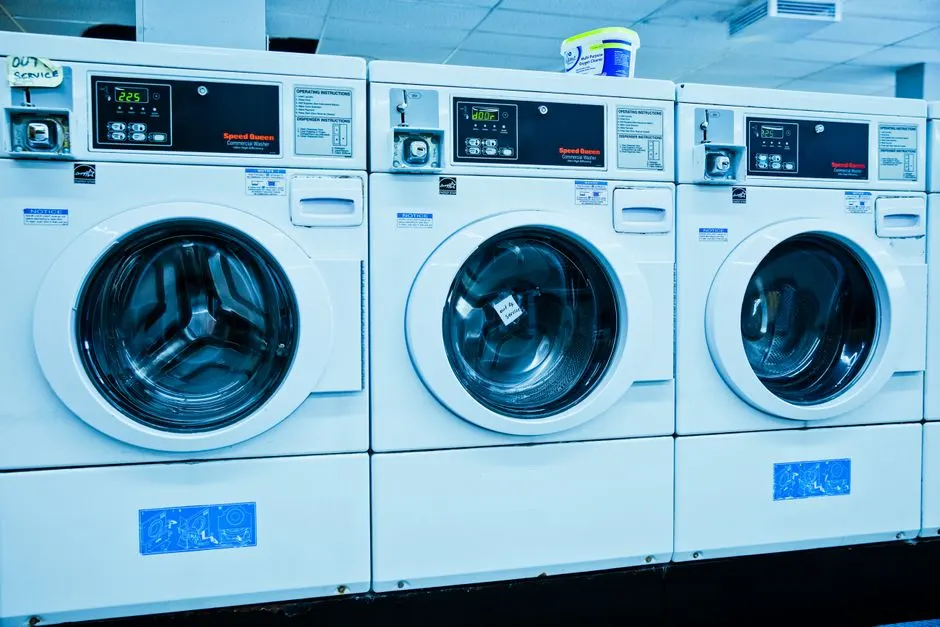
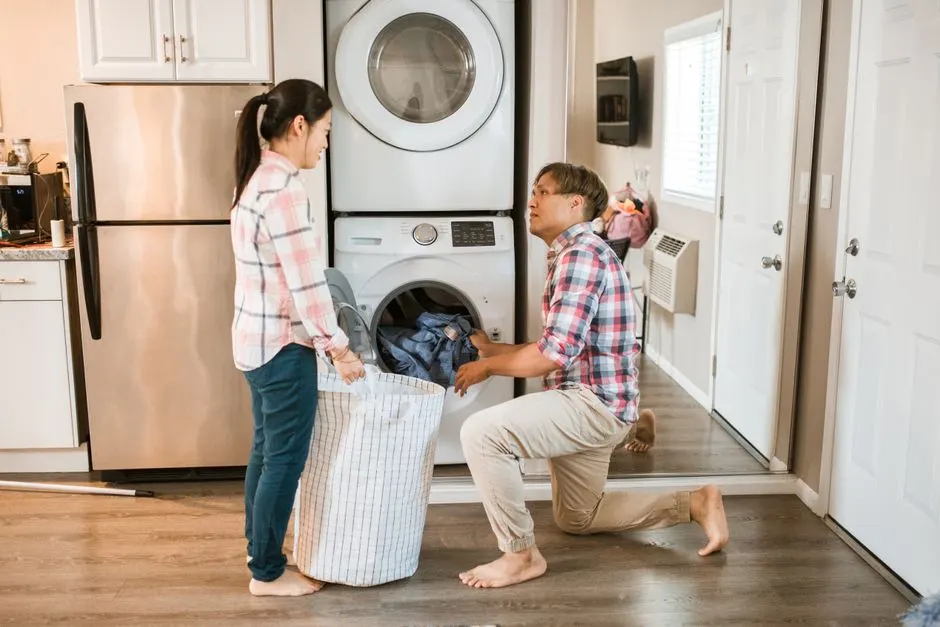
Trinity residential washer calls come from detached homes, townhomes, and apartment communities, with laundry spaces ranging from open utility rooms to tight closets. A family washer that stops draining can disrupt several loads in one day, while a front-loader that leaks can threaten flooring and nearby cabinets. We ask whether the unit is stacked, where the water appears, and what cycle stopped so we can prepare for the right inspection. Our residential service includes front-load washer repair and repairs for top-load, high-efficiency, and combo units. We check the symptom, explain the repair, and verify the affected function before leaving. If your washer is beyond practical repair, we can also discuss replacement and installation options that fit the existing laundry space.
- Leak and hose connection repair — If you see water behind or beneath your Trinity washer, we inspect the accessible supply and drain connections along with the appliance source. We identify whether the leak comes from a loose connection, damaged hose, pump area, or seal. After repair, we check for moisture during a controlled fill and drain test.
- Spin and vibration diagnosis — We help Trinity homeowners whose washers bang, walk, or stop before the final spin. First we separate a one-time unbalanced load from a recurring installation or suspension issue. We check level and relevant supports, correct the verified fault, and run a spin test so you can hear and see the result.
- Front-load seal and drain service — A wet gasket, musty odor, or water at the door can point to residue, seal damage, or a drainage problem. We inspect Trinity front-load washers for the actual cause instead of assuming that cleaning alone will fix it. When a seal or drain component needs work, we test the door area and drain afterward.
- Washer installation and replacement — For Trinity homes changing appliances, we check fit, door clearance, hose reach, and stacking configuration before final placement. We connect and level the washer, then confirm fill and drainage. If you are replacing an old unit, sharing the opening dimensions and existing setup helps avoid surprises on installation day.